Thu, Apr 2, 2026
Global Edition
Bitcoin Prices Navigate Volatility Amid Regulatory and Economic Crosscurrents
2026-03-16

Bitcoin prices have been marked by significant volatility in recent trading periods, with reports indicating sharp movements driven by a combination of regulatory news and broader economic indicators. Financial markets observe that the cryptocurrency has seen both rapid increases and declines, reflecting ongoing uncertainty among participants. This instability comes amid heightened discussions among global authorities regarding digital asset oversight. Investors are urged to remain cautious as the market continues to react to external stimuli.
Introduced in 2009, Bitcoin has a well-documented history of price swings, often linked to technological progress, adoption rates, and speculative activity. Over the years, it has transitioned from a niche digital token to a recognized asset class, attracting diverse interest from retail and institutional players. Its price behavior frequently mirrors trends in risk appetite and liquidity conditions across financial markets. Grasping this historical backdrop is crucial for contextualizing current price dynamics.
Recent key developments affecting Bitcoin prices include announcements from major economies about cryptocurrency regulations and potential central bank digital currency projects. Additionally, fluctuations in traditional assets like equities and commodities have spilled over into the crypto space. Institutional adoption, through investment vehicles and corporate allocations, continues to shape price movements, according to market observers. Technological upgrades to the Bitcoin network, such as enhancements in scalability and security, are also being monitored for their potential impact.
Investors have exhibited mixed reactions, with some viewing price dips as opportunities to buy while others adopt a more risk-averse approach. Regulatory bodies in various jurisdictions have issued statements that range from supportive to cautionary, influencing overall market sentiment. Industry stakeholders, including exchanges and service providers, are adjusting to evolving compliance demands. Financial advisors are increasingly considering digital assets in portfolio strategies, though they often highlight the associated risks.
Analysts from financial institutions and research firms indicate that Bitcoin's price is currently shaped by technical factors and fundamental drivers. Some point to on-chain metrics, such as transaction volumes and wallet activity, as signs of underlying demand. Others emphasize the role of macroeconomic variables, like inflation trends and interest rate policies, in guiding investor behavior. Expert opinions remain divided, with forecasts ranging from further consolidation to potential breakout scenarios.
Historically, Bitcoin has undergone multiple boom-and-bust cycles, often followed by stabilization and gradual recovery phases. Comparisons are drawn to past events, such as the 2017 bull run and subsequent correction, which saw prices fall after reaching peaks. However, analysts note that the market has matured since then, with increased institutional involvement and better infrastructure. These parallels offer context but may not perfectly predict future outcomes due to changing conditions.
The volatility in Bitcoin prices carries broader implications for the cryptocurrency ecosystem and traditional financial systems. It influences the valuation of other digital assets, often leading to correlated movements across the market. For regulators, price swings highlight the need for clear frameworks to safeguard investors and ensure financial stability. Economically, Bitcoin's performance is increasingly viewed as an indicator of risk sentiment, potentially affecting capital flows and investment decisions.
Looking ahead, market participants are focused on upcoming regulatory decisions and macroeconomic data releases that could sway Bitcoin prices. Technological developments, such as integration into payment systems and decentralized finance platforms, may also drive future adoption. While short-term volatility is anticipated, some analysts believe long-term trends point toward greater mainstream acceptance. Ultimately, Bitcoin's price trajectory will depend on a complex interplay of evolving factors.
The underlying technology of Bitcoin, including its blockchain and mining processes, plays a critical role in price dynamics. Changes in mining difficulty, energy consumption concerns, and advancements in layer-two solutions like the Lightning Network are closely watched. These technological aspects can affect investor confidence and the network's overall utility. As the ecosystem evolves, such factors may contribute to either price stability or continued volatility.
Adoption of Bitcoin as a payment method or store of value varies widely across regions, influencing its price. Countries with supportive regulatory environments have seen increased usage, while restrictive policies elsewhere lead to market fragmentation. Global economic events, such as currency crises or trade tensions, can also boost demand for Bitcoin as an alternative asset. Monitoring these adoption trends is essential for assessing the cryptocurrency's long-term viability and price potential.
Bitcoin prices are experiencing heightened volatility as regulatory developments and macroeconomic factors influence market sentiment. Analysts suggest that recent global events are contributing to the cryptocurrency's price fluctuations, with investors closely watching for stability.
Other Posts

U.S. Stock Futures Drop as Oil Prices Surge Amid Trump’s Iran War Escalation Remarks
Apr 2, 2026

Trump Promises Strong Action Against Iran in Coming Weeks Amid Rising Tensions
Apr 2, 2026
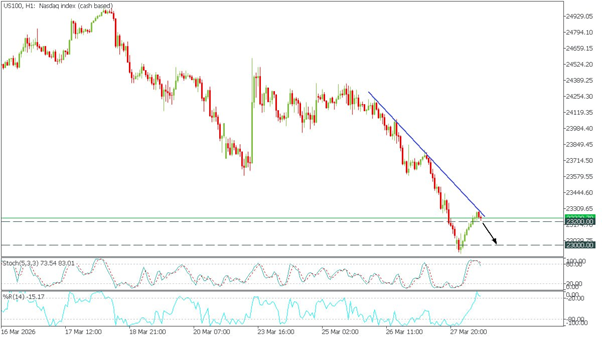
NDX Faces Bearish Pressure Amid Market Turmoil
Apr 2, 2026

Kim Novak Criticizes Sydney Sweeney's Casting in Sammy Davis Jr. Biopic: 'Totally Wrong to Play Me'
Mar 29, 2026

Dua Lipa's Romantic Life Draws Renewed Media Attention Amid Speculation
Mar 18, 2026

15 Brain-Confusing Pictures Challenge Human Perception and Go Viral
Mar 18, 2026