Sun, Mar 29, 2026
Global Edition
Venezuela-Italy Diplomatic Tensions Escalate Amid EU Sanctions Dispute
2026-03-17
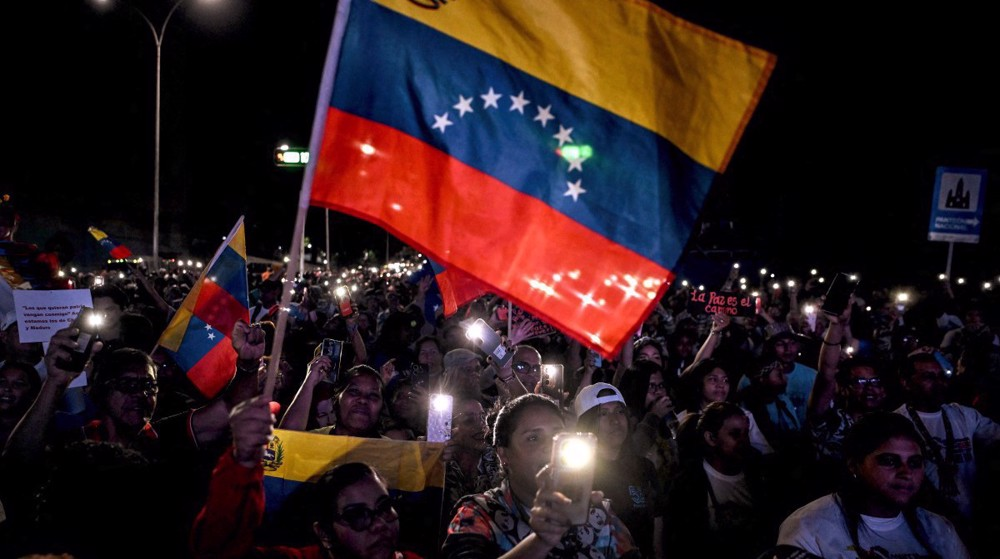
Venezuela and Italy have entered a period of heightened diplomatic tensions following Italy's endorsement of European Union sanctions targeting Venezuelan government figures. The dispute erupted after Italian officials, according to reports, aligned with EU policy on human rights and democratic governance in Venezuela, prompting a swift and critical response from Caracas. Venezuelan authorities have accused Italy of interfering in internal affairs and have taken steps to downgrade diplomatic engagement. This development marks a significant shift in relations between the two nations, which have historically maintained cooperative ties.
The background of Venezuela-Italy relations is rooted in longstanding economic and cultural exchanges, with a notable Italian diaspora in Venezuela and substantial trade links, particularly in the energy sector. Over the years, Italy has been a key investor in Venezuelan oil and gas projects, fostering mutual dependencies. However, political changes in both countries, including Venezuela's ongoing crisis and Italy's evolving foreign policy under recent governments, have strained this foundation. Analysts suggest that these shifts have made bilateral relations more susceptible to external pressures, such as EU-wide sanctions regimes.
Key developments in the current standoff began when the Italian foreign ministry issued a statement backing the latest EU sanctions package against Venezuela, citing concerns over human rights abuses and democratic erosion. In retaliation, Venezuela's government summoned the Italian ambassador for consultations and publicly criticized Italy's stance as hostile. Reports indicate that Venezuelan officials have also threatened to review bilateral agreements, including those related to trade and cultural exchanges. These actions signal a deliberate escalation by Caracas, aiming to assert sovereignty and deter further international criticism.
Stakeholder reactions have been polarized, with Venezuelan officials condemning Italy's move as a violation of diplomatic norms and a threat to regional stability. Italian authorities, meanwhile, have defended their position as consistent with EU commitments and necessary for promoting accountability in Venezuela. The European Union has not directly commented on the bilateral spat but has reiterated its support for sanctions as a tool to address Venezuela's political impasse. Other international actors, including regional organizations, have called for dialogue to prevent further deterioration.
Expert analysis points to the dispute as emblematic of broader geopolitical realignments, with Italy's stance reflecting a tougher EU approach under its current leadership. Analysts indicate that Italy may be leveraging foreign policy to strengthen its role within the EU, particularly on issues like migration and energy security. Conversely, Venezuela's response is seen as part of a strategy to consolidate domestic support by framing external criticism as interventionism. Some experts warn that the row could have ripple effects, influencing how other EU members engage with Latin American nations.
Historical parallels can be drawn to past diplomatic frictions between Venezuela and Italy, such as during previous EU sanctions rounds in the late 2010s, when similar accusations of interference were exchanged. These episodes often saw temporary downgrades in relations but were eventually mitigated through backchannel diplomacy. The current situation, however, occurs against a backdrop of more entrenched political divides in Venezuela and a more assertive EU foreign policy, making resolution potentially more challenging. Observers note that historical ties, including Italy's role in Venezuela's post-war development, add layers of complexity to the present conflict.
Implications of the dispute extend beyond diplomacy, potentially affecting economic sectors where both countries have vested interests. Italian energy firms with operations in Venezuela may face increased scrutiny or operational hurdles, while trade flows could be disrupted if retaliatory measures are implemented. Additionally, cooperation on migration, a sensitive issue for Italy given Venezuela's ongoing exodus of citizens, might be jeopardized. The tensions also risk undermining multilateral efforts to address Venezuela's crisis, as bilateral spats can fragment international consensus.
Broader context reveals that the Venezuela-Italy row is part of a wider pattern of Latin American-European tensions over sanctions and sovereignty. Similar disputes have arisen between other EU members and leftist governments in the region, highlighting the challenges of balancing human rights advocacy with non-interference principles. This incident underscores the fragility of diplomatic relations in a multipolar world, where alliances are increasingly tested by domestic politics and global crises. It also raises questions about the effectiveness of sanctions as a policy tool, with critics arguing they often entrench rather than resolve conflicts.
Looking ahead, both nations may seek to de-escalate through diplomatic channels, possibly involving mediation by neutral parties or regional organizations. However, fundamental disagreements over Venezuela's governance and Italy's alignment with EU policy are likely to persist, suggesting that a full reconciliation may be distant. The outcome of this dispute could set a precedent for how EU members navigate relations with Venezuela and other politically isolated states. Ultimately, the trajectory will depend on internal developments in both countries and the broader geopolitical landscape, with implications for international diplomacy and stability.
Venezuela and Italy are embroiled in a diplomatic confrontation after Italy publicly supported EU sanctions against Venezuelan officials. The rift highlights broader geopolitical divides and risks undermining decades of bilateral cooperation.
Other Posts

Kim Novak Criticizes Sydney Sweeney's Casting in Sammy Davis Jr. Biopic: 'Totally Wrong to Play Me'
Mar 29, 2026

Dua Lipa's Romantic Life Draws Renewed Media Attention Amid Speculation
Mar 18, 2026

15 Brain-Confusing Pictures Challenge Human Perception and Go Viral
Mar 18, 2026

Green Beret Veteran Joe Kent Relaunches Congressional Bid in Washington's Swing District
Mar 18, 2026

Jennifer Lopez's Enduring Career: From Bronx Roots to Global Superstardom
Mar 18, 2026

Jennifer Lopez Sparks Romance Rumors with New Mystery Man
Mar 18, 2026