Wed, Apr 8, 2026
Global Edition
Understanding Backtesting: Its Relevance and Future Outlook in Trading
2026-04-08
What is Backtesting?
Backtesting is a crucial process in trading strategy development, serving as an analytical tool that allows traders to evaluate the effectiveness of their strategies using historical data. Essentially, it involves simulating a trading strategy over past market performance to see how it would have fared. By applying a set of predefined rules to actual historical price movements, traders can gauge the potential profitability and risks associated with their approach. This empirical analysis helps to identify strengths and weaknesses within a strategy, offering insights into its reliability and viability in real-time market conditions. By testing various scenarios, traders can refine their methodologies, making adjustments based on past performance to enhance their chances of success in future trades.
Moreover, backtesting provides a framework for traders to build confidence in their strategies before committing real capital. As the market is inherently unpredictable, replicating a strategy over historical periods can unveil critical insights that may not be apparent during live trading. This practice allows traders to address potential pitfalls, such as high drawdowns or inconsistent performance, before they manifest in a live setting. Furthermore, backtesting not only solidifies a trader's understanding of their approach but also helps to cultivate discipline, as it encourages a systematic methodology rather than impulsive decision-making based on a limited view of market conditions. In a rapidly evolving trading environment, utilizing backtesting as part of strategy development becomes increasingly vital, as it empowers traders to make informed decisions backed by data and historical analysis.
The Importance of Historical Data
Historical data is essential for effective backtesting and strategy validation as it provides the empirical basis on which trading strategies can be evaluated. By analyzing past market movements, traders can gauge how their strategies would have performed under various market conditions. This retrospective look enables them to identify patterns, trends, and anomalies that can inform future decision-making. The wider the range of data—from different time periods and market environments—the more robust the analysis becomes. Traders can uncover critical insights into market behavior, volatility, and the potential impact of external events, all of which contribute to refining their strategies.
Moreover, the use of historical data allows traders to simulate their strategies in a risk-free environment. Through backtesting, they can assess factors such as profitability, drawdown, and risk-adjusted returns without the stakes of real money. This process helps in not only validating the effectiveness of a strategy but also in identifying its limitations. Historical data serves as both a mirror and a map, reflecting past outcomes and guiding future efforts. As market dynamics continue to evolve, relying on historical data ensures that traders can adapt their strategies with a foundation rooted in empirical evidence, ultimately increasing their chances of success in real-world trading scenarios.
Current Trends in Backtesting
Recent advancements in backtesting technologies have significantly transformed the trading landscape, allowing traders to analyze strategies more effectively and efficiently. One notable development is the integration of machine learning and artificial intelligence into backtesting processes. These technologies enable traders to process vast amounts of historical data and identify patterns that were previously undetectable, giving rise to more sophisticated trading strategies. By utilizing algorithms that learn from past performance, traders can optimize their approaches in real time and adapt more quickly to changing market conditions. This shift towards automation not only enhances the accuracy of backtesting results but also streamlines the workflow, allowing traders to focus on strategy refinement rather than data collection and analysis.
Additionally, the rise of cloud computing has democratized access to robust backtesting tools, making them more available to both retail and institutional traders. Cloud-based platforms offer flexibility and scalability, allowing users to perform extensive simulations without the need for expensive local hardware or software. Traders can run multiple scenarios simultaneously and manage large datasets more easily, thereby improving the speed and efficiency of their backtesting efforts. This accessibility empowers a broader range of market participants to experiment with various strategies, fostering innovation and competition within the trading community. As backtesting continues to evolve, these trends underscore the importance of embracing new technologies to stay competitive in an increasingly complex trading environment.
Challenges and Limitations
One of the primary challenges associated with backtesting is the risk of overfitting, a phenomenon where a trading strategy is excessively tailored to historical data. While it might appear successful based on past performance, such strategies often fail to hold up in real-world scenarios due to their inability to adapt to evolving market conditions. Overfitting occurs when a model captures not only the underlying trends but also the noise in the data, leading to overly optimistic expectations. This means that strategies which seem highly successful in backtesting may not replicate their performance when subjected to live trading, ultimately causing significant losses.
Another significant limitation of backtesting lies in the quality of the data utilized. Poor or inaccurate data can skew the results, leading to misleading conclusions about a trading strategy's effectiveness. Factors such as data survivorship bias, where only successful assets are considered, or a lack of sufficient historical data to account for different market environments can severely compromise the reliability of backtests. Additionally, discrepancies in timeframes or data granularity can produce inconsistent results, making it challenging for traders to ascertain the true viability of their strategies. Thus, both overfitting and data quality issues present substantial hurdles for traders looking to rely on backtesting as a foolproof method for strategy validation.
Future Outlook for Backtesting
The future outlook for backtesting in trading is poised for transformation, significantly influenced by advancements in artificial intelligence (AI) and machine learning. These technologies enable traders to analyze vast datasets with unprecedented speed and accuracy, allowing for more nuanced modeling of market behavior. As AI algorithms become increasingly sophisticated, they can identify patterns and trends that human analysts might overlook, enhancing the reliability of backtesting results. This shift will likely lead to more robust trading strategies that adapt in real-time to changing market conditions, ultimately improving performance and reducing risk for traders.
Moreover, the integration of AI into backtesting paves the way for a more dynamic approach to strategy development. Instead of relying solely on historical data, future backtesting could incorporate real-time simulations that adjust as new data comes in, providing a continuous feedback loop. Machine learning models can improve over time, automatically recalibrating trading strategies based on their performance against live market conditions. This evolution not only enhances accuracy in predictions but also fosters a culture of continuous learning in trading practices. As these technologies proliferate, traders must remain adaptive and open to integrating innovative tools that redefine the standards of backtesting, ensuring they stay competitive in an ever-evolving financial landscape.
Key Takeaways for Traders
Backtesting serves as a critical tool for traders aiming to validate the effectiveness of their strategies before committing real capital. A primary takeaway is the importance of selecting an appropriate historical dataset that closely aligns with the current market conditions. Traders must ensure that their backtesting data reflects a representative sample of various market environments, including bull and bear markets, to better gauge how their strategies might perform across different scenarios. Additionally, incorporating transaction costs and slippage into the backtesting process is vital, as these factors can significantly affect the profitability of a trading strategy in real-world applications. By simulating how a strategy performs with realistic assumptions about execution, traders can gain a more accurate understanding of its viability.
Another essential consideration for traders is avoiding the trap of overfitting, where a strategy is tailored too closely to past data, thus making it less effective in the future. While the temptation to devise an intricate strategy that appears successful during backtesting is strong, simplicity often yields more robust results. Traders should focus on building adaptable strategies that can accommodate changing market conditions rather than relying on hyper-specific parameters that may not hold up over time. Continuous monitoring and reassessment of a strategy post-implementation is equally important, as markets are dynamic and evolving. By remaining agile and aligned with ongoing market trends, traders can ensure that their backtested strategies maintain relevance and effectiveness in a shifting trading landscape.
Backtesting remains a crucial tool in trading, enabling investors to evaluate strategies against historical data. This article explores its current significance, future developments, and what traders should focus on moving forward.
Other Posts
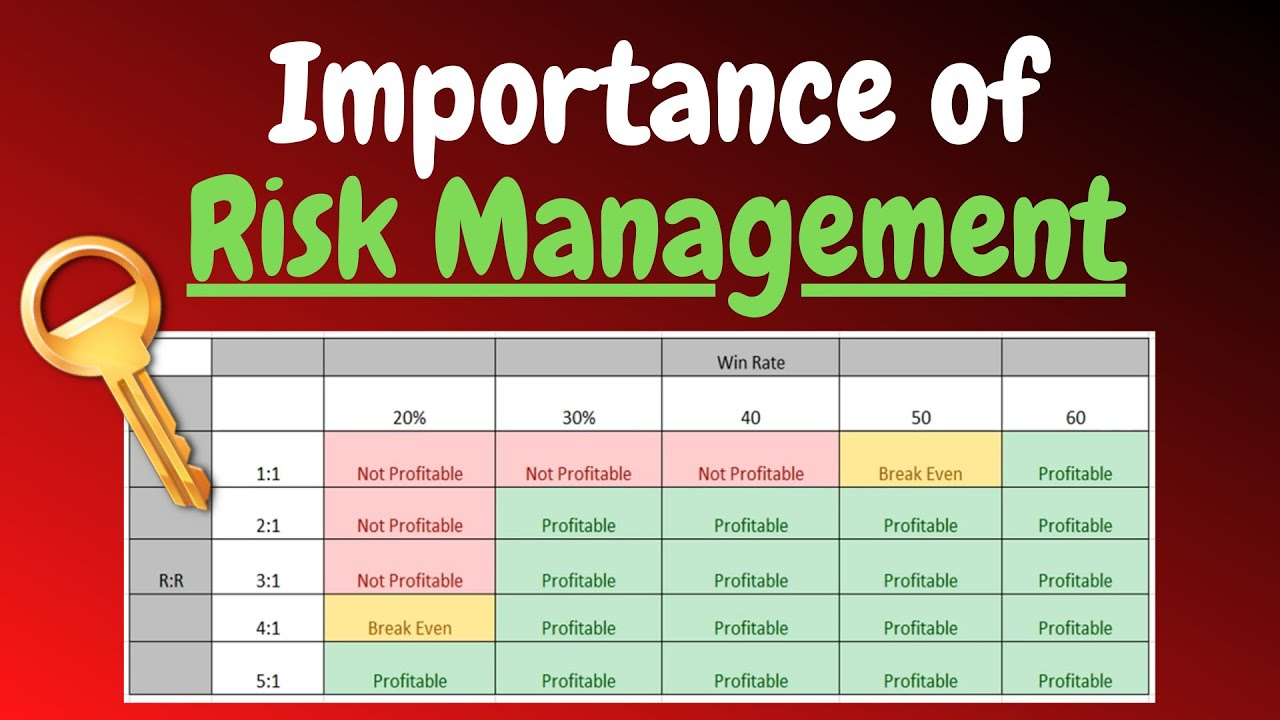
Understanding Risk Management in Trading: A Beginner's Guide
Apr 8, 2026
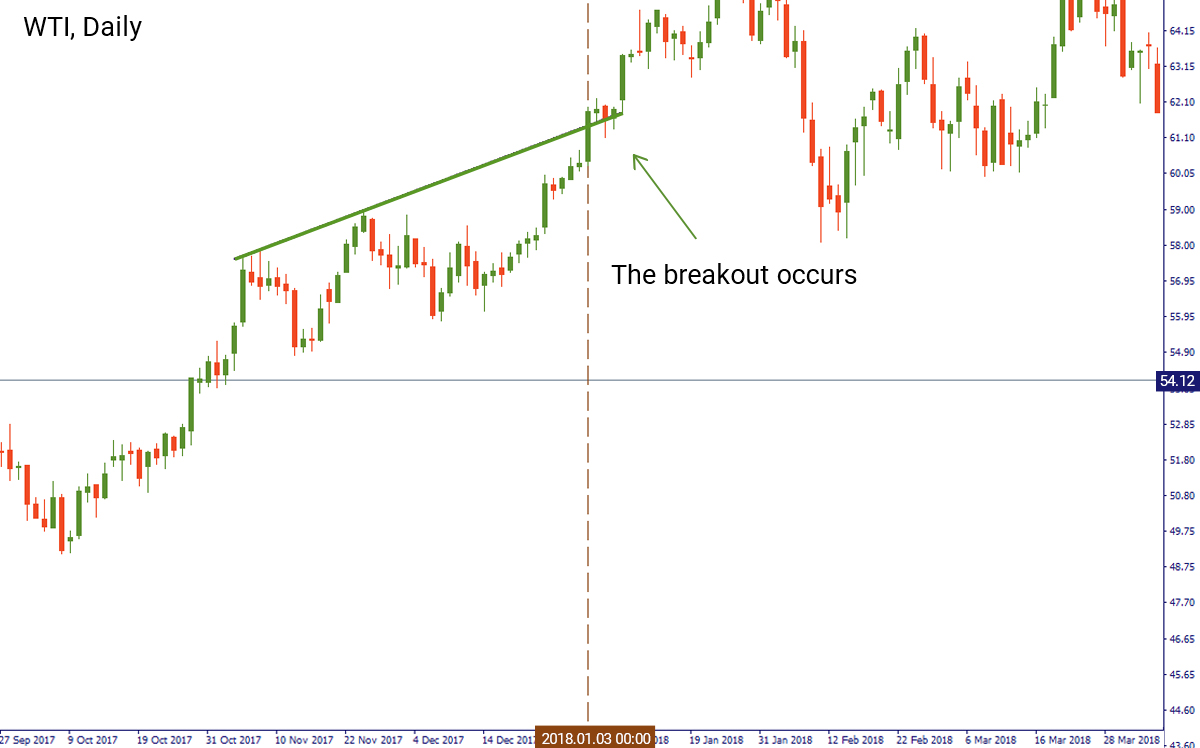
Beginner's Guide to Trading Strategies: 00:00 Key Open Explained
Apr 8, 2026
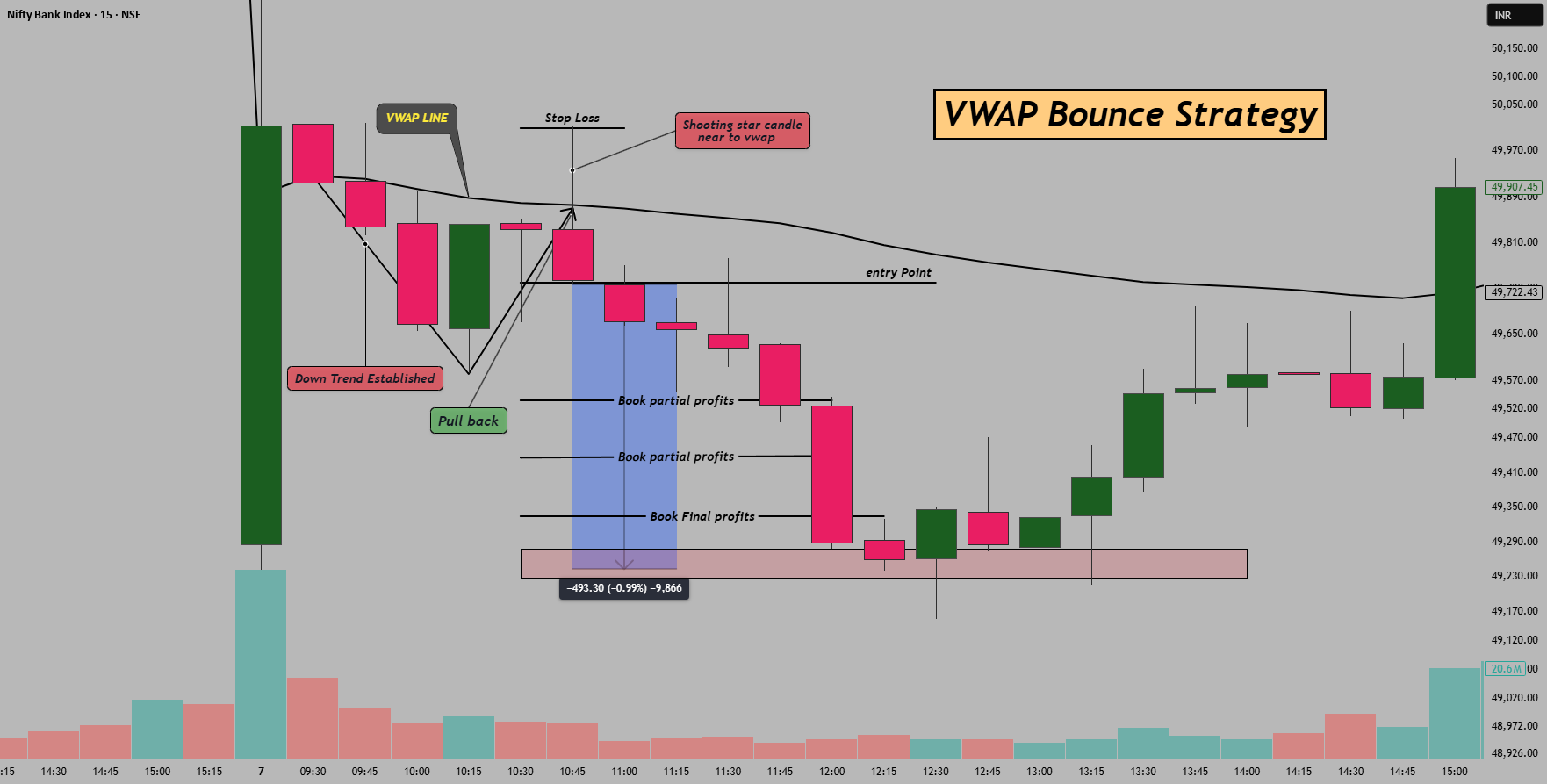
Understanding VWAP: A Trader's Essential Tool for Futures Trading
Apr 8, 2026
Apex Trader Funding vs FTMO: Which Prop Firm Is Right for You?
Apr 8, 2026

Understanding Google AdSense Rejections: Causes, Solutions, and Prevention Tips
Apr 8, 2026
Exporting Tick Data from NinjaTrader 8: NinjaScript Guide for Traders
Apr 8, 2026