Wed, Apr 8, 2026
Global Edition
Understanding Risk Management in Trading: A Beginner's Guide
2026-04-08
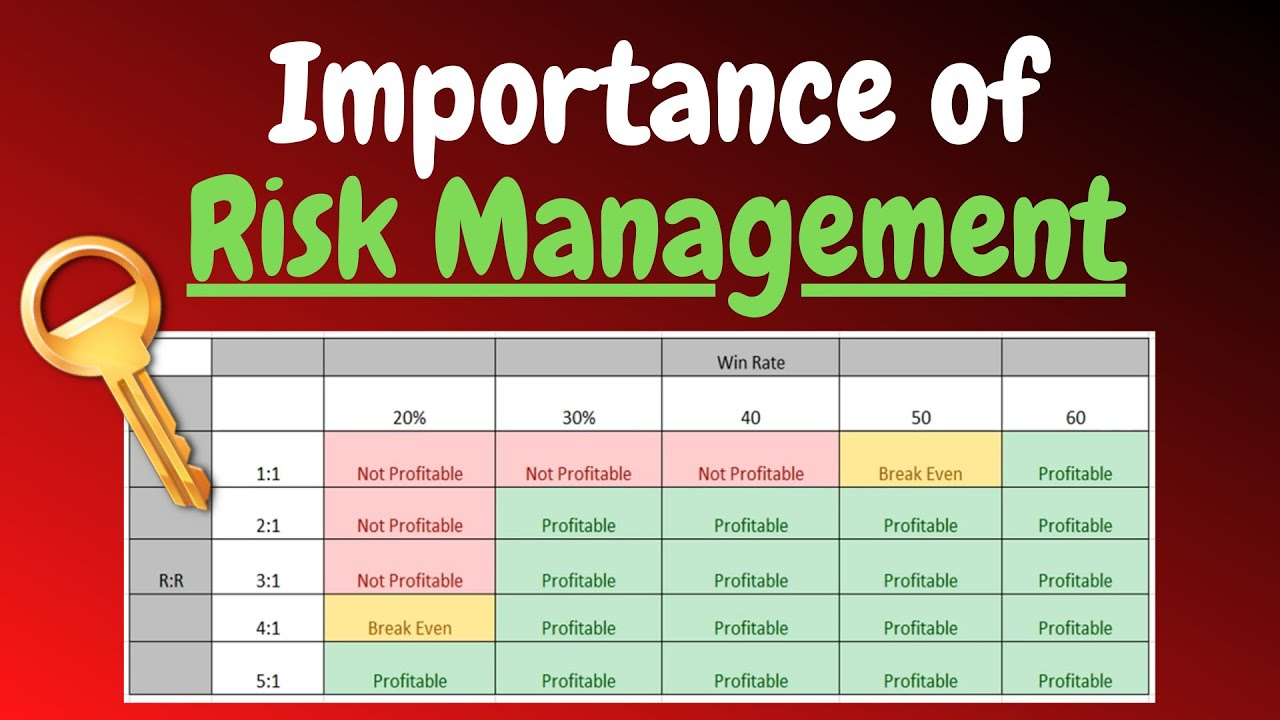
Introduction to Risk Management
Risk management is a fundamental aspect of trading that involves identifying, assessing, and prioritizing potential losses while mitigating their impact. At its core, risk management aims to protect traders from significant financial losses that can arise from unforeseen market fluctuations, poor decision-making, or unexpected events. By employing effective risk management strategies, traders can make more informed decisions, thus maintaining their capital and enabling the possibility of sustainable profits over time. This discipline is not just about avoiding losses; it also encompasses the strategic use of risk in pursuit of rewards, ensuring that every trade aligns with a trader's overall financial goals and risk tolerance.
The importance of risk management in trading cannot be overstated. Markets can be highly volatile, and factors such as economic data releases, geopolitical events, and market sentiment can lead to rapid price swings. Without a structured approach to managing risk, traders may find themselves in precarious situations where emotional decisions lead to amplified losses. Effective risk management provides a framework that helps traders to remain disciplined, set appropriate stop-loss orders, and diversify their portfolios, all of which can reduce overall exposure to market risks. Ultimately, embracing risk management empowers traders to navigate the complexities of the trading landscape with confidence, reducing the likelihood of devastating losses and fostering a more strategic approach to their trading practices.
Identifying Risks in Trading
In trading, several distinct types of risks can significantly impact a trader's success. Market risk is one of the most prominent, arising from fluctuations in the prices of securities due to economic changes, market sentiment, or geopolitical events. Traders need to stay attuned to these external factors as they can lead to unexpected losses. Similarly, liquidity risk poses a challenge when traders cannot enter or exit positions quickly enough due to insufficient trading volume or market participants, potentially resulting in diminished profits or increased losses. Understanding these risks allows a trader to implement strategies that either mitigate their effects or capitalize on market movements.
Another critical risk is credit risk, which is especially relevant in derivatives trading or when engaging with counterparties. This occurs when the other party in a transaction fails to fulfill their obligations, which can lead to significant financial losses. Additionally, operational risk encompasses various internal factors, such as system failures, fraud, or errors in execution. Recognizing these types of risks is crucial for comprehensive risk management. For traders, diligently monitoring and assessing these risks can improve decision-making processes, ultimately leading to more informed trading practices that align with their risk tolerance and investment goals.
Setting Risk Tolerance Levels
Determining your personal risk tolerance is a crucial step in establishing a successful trading strategy. Risk tolerance refers to the level of variability in investment returns that you are willing to withstand in your trading activities. It is influenced by various factors, including your financial situation, investment goals, trading experience, and emotional capacity to handle losses. For instance, a younger trader with a steady income may be more open to higher risk, as they have time to recover from potential losses. Conversely, a retiree relying on their investments for income might prefer a conservative approach to safeguard their capital. By evaluating these personal characteristics, you can more effectively align your trading strategies with your comfort level, allowing for better decision-making and reducing the likelihood of making impulsive trades during market fluctuations.
Understanding your risk tolerance also plays a vital role in setting realistic profit expectations and loss limits. Traders who are aware of their risk appetite are more likely to stick to their predefined strategies, as they know the extent of losses they can afford. This discipline is essential in a volatile trading environment where emotions can easily cloud judgment. For example, if a trader sets a stop-loss level based on their risk tolerance, they are less likely to hold onto losing positions out of fear, which can lead to greater losses. Moreover, recognizing your limits can help you diversify your portfolio appropriately, ensuring that you’re not overly exposed to any single asset or market segment. By clearly defining your risk tolerance, you create a framework that not only guides your trades but also promotes long-term sustainability in your trading journey.
Risk Management Strategies
One of the fundamental strategies in risk management is diversification. By spreading investments across different assets, sectors, or geographical regions, traders can reduce the impact of any single poor-performing investment on their overall portfolio. This approach not only minimizes risk but also positions traders to capitalize on various market conditions. For instance, if a trader invests in both technology and energy sectors, a downturn in the tech market may be offset by stable or rising performance in energy stocks. Diversifying effectively involves careful analysis of correlations between assets to ensure that they do not share similar vulnerabilities, thereby enhancing the protective benefits of this strategy.
Another key strategy is setting stop-loss orders, which help traders define the maximum amount they are willing to lose on a trade. By automatically executing a sale when an asset reaches a predetermined price, stop-loss orders can limit losses and safeguard capital. This can be particularly valuable during volatile market conditions, where prices can swing dramatically within short time frames. Traders should, however, determine stop-loss levels based on thorough market analysis and personal risk tolerance, rather than impulsively setting them. Combining stop-loss orders with other strategies, such as position sizing—determining the proportion of trading capital allocated to a single trade—can reinforce a trader's ability to manage risk effectively and maintain a disciplined approach to trading decisions.
Common Mistakes to Avoid
One of the most common mistakes beginners make in trading is failing to set stop-loss orders. A stop-loss order is a critical risk management tool that allows traders to define the maximum loss they are willing to tolerate on a trade. Without this safety net, beginners often find themselves holding onto losing positions in the hope that the market will turn in their favor, only to incur significant losses. This emotional decision-making can lead to reckless trading behavior, where traders chase losses rather than adhering to a structured plan. It is essential for beginners to understand that every trade carries inherent risks, and having a predetermined exit strategy can help mitigate potential losses and preserve capital for future opportunities.
Another frequent pitfall is over-leveraging, which occurs when traders use borrowed funds to amplify potential returns on their investments. While leverage can enhance profits, it equally magnifies losses, which can be devastating for those who do not fully understand its implications. Beginners often underestimate the impact of margin requirements and the speed at which losses can accumulate when trades move against them. To avoid this mistake, new traders should educate themselves about the specific leverage ratios they are working with and consider using lower levels of leverage until they gain more experience and confidence in their trading strategies. Adequate position sizing and maintaining a balanced risk-reward ratio are vital steps in building a sustainable trading career.
Practical Examples of Risk Management
One practical example of risk management can be illustrated through the use of stop-loss orders, which serve as a critical tool for traders aiming to protect their capital. Imagine a trader who purchases shares of a tech company at $100, anticipating growth based on positive earnings reports. However, to mitigate potential losses, they set a stop-loss order at $90. This means that if the stock's price drops to $90, the shares will be automatically sold. Should the market take an unexpected downturn, the stop-loss order acts as a safeguard, allowing the trader to minimize their losses before they escalate further. By implementing this strategy, the trader can maintain discipline and avoid emotional decision-making during volatile market conditions.
Another relevant scenario involves position sizing, which is crucial for managing risk effectively. Consider a trader with a $10,000 account who decides to risk only 1% of their capital on a single trade. This equates to a maximum risk of $100 per trade. If they identify a promising trade that requires a stop-loss 10% below the purchase price, the trader must calculate the appropriate position size. In this case, they would divide the $100 risk by the $10 loss per share, allowing them to buy ten shares at the entry price. By adhering to this position sizing rule, the trader ensures that no single trade can undermine their entire account, maintaining a balanced and sustainable approach to trading over the long term. Such practices not only reinforce prudent risk management but also build confidence, enabling traders to pursue their strategies without the constant fear of significant losses.
Conclusion and Next Steps
In summary, effective risk management is a cornerstone of successful trading that every new or intermediate trader should prioritize. By understanding concepts such as position sizing, stop-loss orders, and the risk-to-reward ratio, traders can significantly reduce their exposure to potential losses while maximizing their chances for profits. The critical takeaway is that risk management is not merely a safety net; it’s a proactive approach that enables traders to make informed decisions and remain in the game even during volatile market conditions. The discipline of managing risk goes hand-in-hand with developing a robust trading strategy, which is essential for long-term success.
For those looking to deepen their understanding of risk management, there are numerous resources available. Books such as "Trading in the Zone" by Mark Douglas provide valuable insights into the psychological aspects of trading and risk. Online courses and webinars can also offer structured learning opportunities that cover risk management techniques in a practical manner. Additionally, engaging with trading communities or forums can provide a platform for exchanging ideas and strategies with fellow traders. Continuous learning and adapting to market changes are vital steps toward becoming a more skilled and resilient trader.
This guide breaks down the essentials of risk management in trading, offering beginners practical strategies and insights. Discover common pitfalls and learn how to protect your investments with effective risk management techniques.
Other Posts

Understanding Backtesting: Its Relevance and Future Outlook in Trading
Apr 8, 2026
Beginner's Guide to Trading Strategies: 00:00 Key Open Explained
Apr 8, 2026
Understanding VWAP: A Trader's Essential Tool for Futures Trading
Apr 8, 2026

Apex Trader Funding vs FTMO: Which Prop Firm Is Right for You?
Apr 8, 2026

Understanding Google AdSense Rejections: Causes, Solutions, and Prevention Tips
Apr 8, 2026
Exporting Tick Data from NinjaTrader 8: NinjaScript Guide for Traders
Apr 8, 2026