Wed, Apr 8, 2026
Global Edition
Understanding Google AdSense Rejections: Causes, Solutions, and Prevention Tips
2026-04-08

Photo Gallery


The Challenge of Low-Value Content
For many publishers, receiving a rejection from Google AdSense can be disheartening. AdSense, as a leading advertising network, holds stringent standards that assess the quality and relevance of content. The primary reason for many rejections is low-value content, which not only hampers potential earnings but also affects the credibility of the publisher. Understanding why Google AdSense rejects content is the first step in turning rejections into approvals.
Common Causes of Rejection
The rejection could stem from various factors intricately tied to the content's perceived value. Below are some of the notable reasons Google may classify content as low-value:
1. Insufficient Depth: Content that lacks depth and fails to engage readers often leads to rejection. Google favors articles that provide substantial information, insights, and value. 2. Duplicate or Plagiarized Content: When content is noticeably duplicated from other sources or shows signs of plagiarism, it raises red flags. Originality is essential in gaining AdSense approval. 3. Poor Grammar and Structure: Well-organized and grammatically correct content is critical in maintaining professionalism. Frequent errors can diminish the perceived value of your work. 4. Thin Content: Articles that do not meet a minimum word count or merely provide a brief overview without engaging details tend to be flagged as low value. 5. Irrelevant or Off-Topic Material: Content that strays from the intended topic or lacks relevance in a specific niche fails to attract targeted audience engagement, leading to disapproval.
Steps to Enhance Content Value
Addressing the issues leading to AdSense rejection involves a focused approach to content enhancement. Here are actionable steps to improve your articles:
Improve Depth and Relevance
Develop thorough and comprehensive articles by diving deep into the subject matter. Utilize authoritative sources for facts and statistics, and offer analytical views that prompt readers to rethink their understanding. For instance, instead of merely discussing general marketing strategies, take a niche approach, such as analyzing the effectiveness of social media campaigns in local businesses. This approach can enhance credibility and relevance.
Ensure Originality
Invest time in developing original content. Leverage tools that check for plagiarism and ensure your articles have a unique voice and perspective. Engaging case studies, personal experiences, or rigorous research can significantly differentiate your work from existing material online.
Focus on Grammar and Structure
Review and refine your writing for grammatical accuracy and clarity. Use editing tools and consider peer reviews for additional perspectives. Maintaining a clear, professional tone with well-structured paragraphs improves readability, keeping readers engaged.
Expand Content Length and Quality
Aim for a minimum of 800-1,000 words, factoring in rich information and engaging narratives. Avoid 'fluff' content that artificially inflates word count without adding value. Instead, focus on covering multiple angles of a topic or providing in-depth insights.
Google Voice
Example:
Rather than writing a short piece on a general fitness trend, consider creating a detailed guide exploring its implications on mental health, incorporating expert interviews, infographics, and actionable advice.
Ensure Topic Relevance
Focus your content around a specific audience and tailor your writing for them. Engaging with niche topics relevant to your audience can aid in fostering a loyal readership, which platforms like AdSense appreciate. Conduct keyword research to identify what your audience is actively searching for and center your content around those insights. ## Prevention Tips for Future Submissions
Once publishers successfully receive AdSense approval, understanding how to maintain this standing is critical. Here are tips to ensure consistent compliance with Google’s standards:
1. Regularly Audit Your Content: Periodic reviews of existing articles can help identify any low-value pieces that should be rewritten or removed. 2. Stay Updated on Google’s Guidelines: Google’s policies regarding content quality can evolve. Keeping abreast of these changes helps to prevent potential pitfalls in new submissions. 3. Engage with Your Audience: Regular interaction with readers through comments or surveys can provide insights into what they find valuable. These interactions can shape the direction of future content. 4. Build a Strong Content Strategy: Create a well-defined content strategy that clearly outlines goals for quality, relevance, and audience engagement. Consistency in this strategy decreases chances of low-value content creeping in.
Conclusion
Securing AdSense approval is a crucial step for publishers looking to monetize their content. By understanding the implications of low-value content and adopting strategies aimed at enhancing content quality, publishers can significantly increase their chances of approval. Focus on creating original, relevant, and well-structured content that not only meets but exceeds Google’s expectations. Implementing these actionable steps will not only lead to AdSense compliance but also enhance the overall quality of your content, paving the way for increased readership and potential income.
AdSense rejections often stem from low-value content that fails to meet Google’s quality guidelines. This article dissects common pitfalls leading to these rejections and provides actionable solutions to enhance your content's value, ensuring AdSense approval.
Other Posts

Understanding Backtesting: Its Relevance and Future Outlook in Trading
Apr 8, 2026
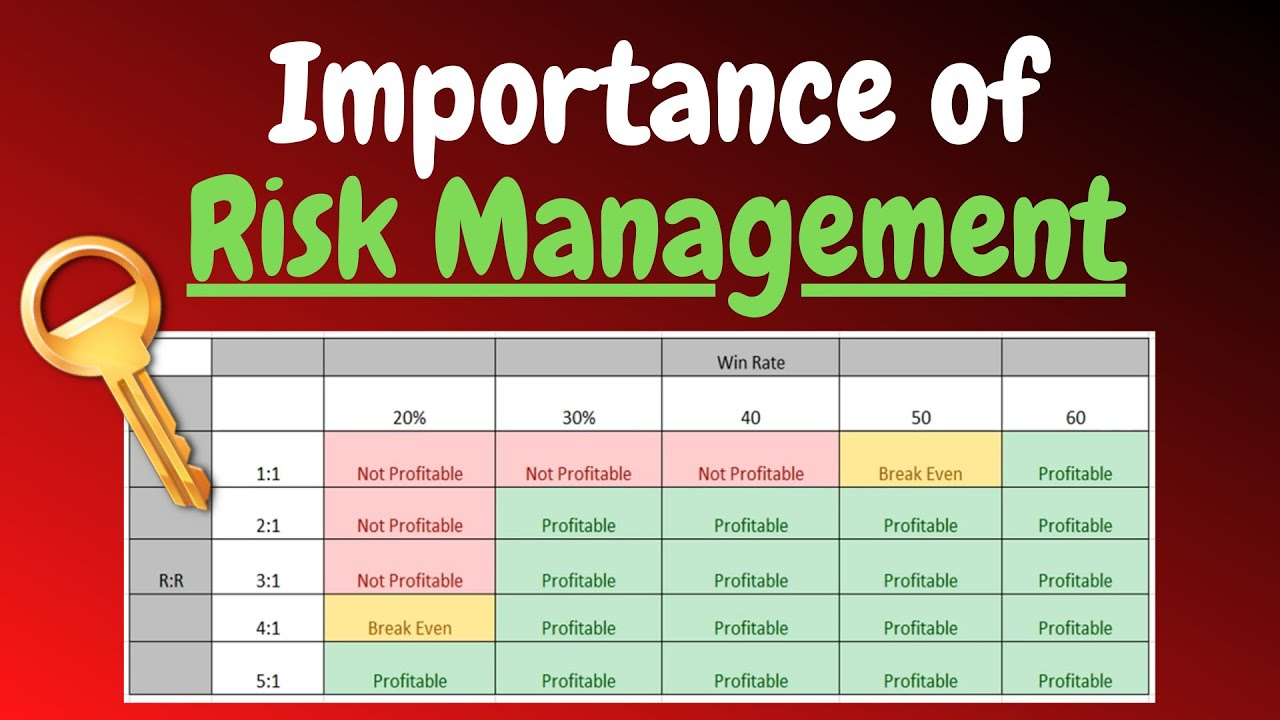
Understanding Risk Management in Trading: A Beginner's Guide
Apr 8, 2026
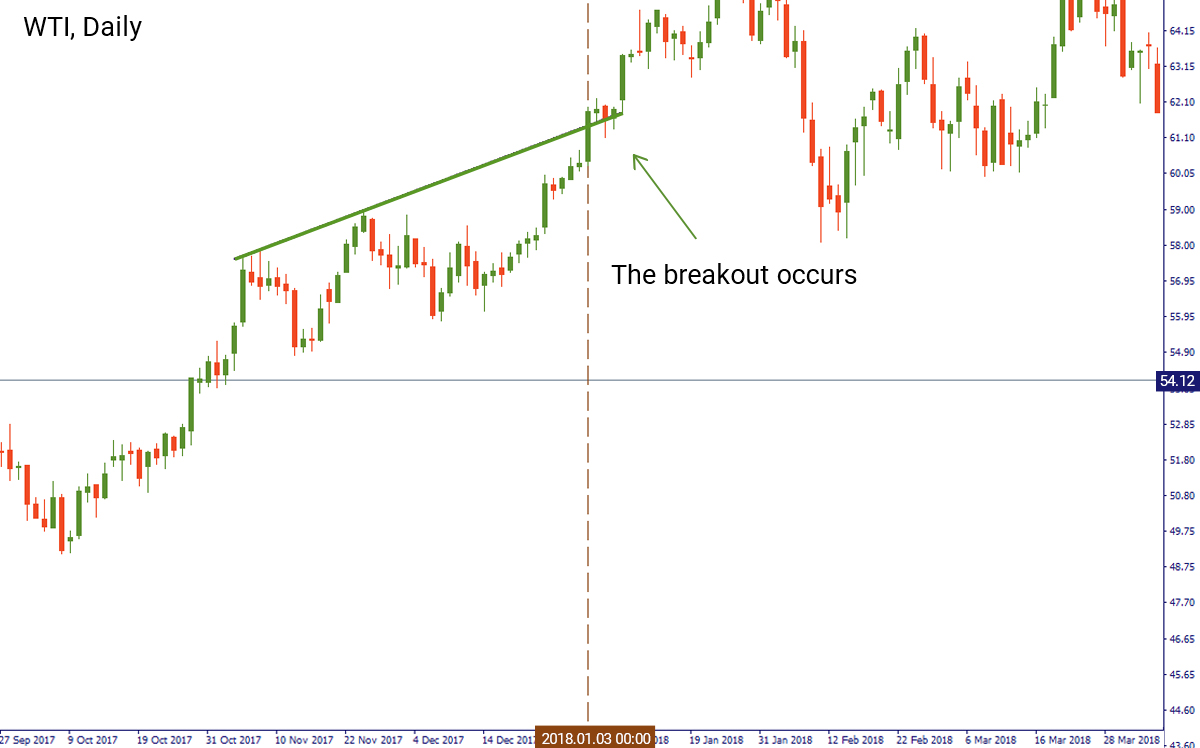
Beginner's Guide to Trading Strategies: 00:00 Key Open Explained
Apr 8, 2026
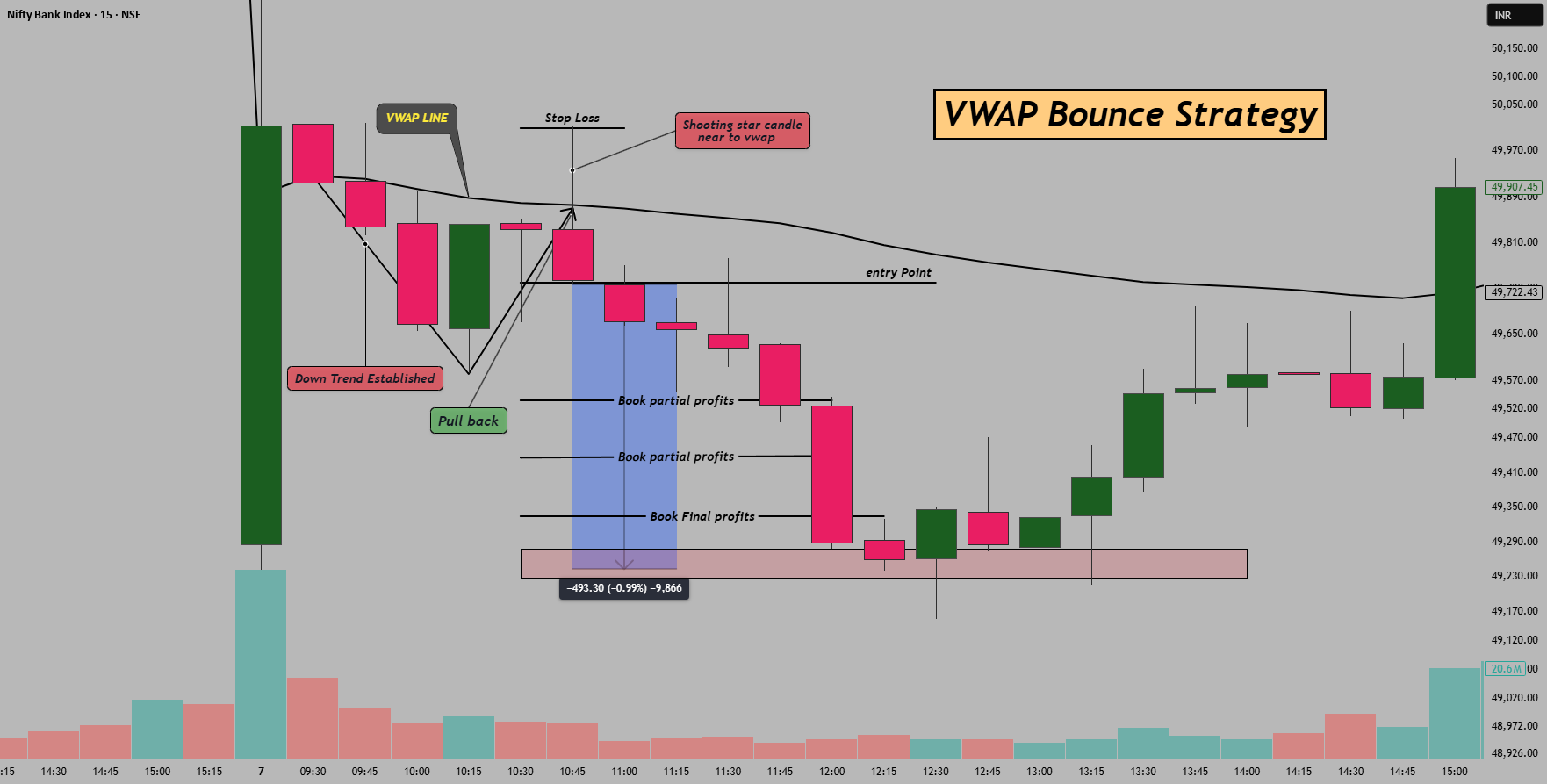
Understanding VWAP: A Trader's Essential Tool for Futures Trading
Apr 8, 2026

Apex Trader Funding vs FTMO: Which Prop Firm Is Right for You?
Apr 8, 2026
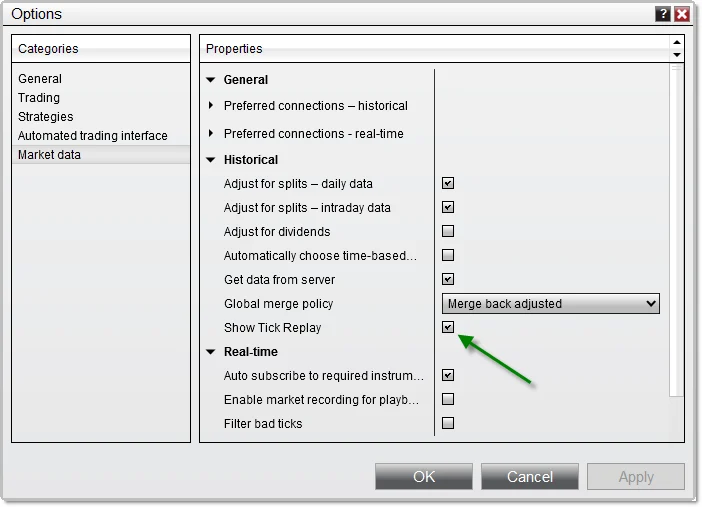
Exporting Tick Data from NinjaTrader 8: NinjaScript Guide for Traders
Apr 8, 2026